

Smoking Cigarettes Pregnant Dangers and Health Risks
Pregnancy is a transformative journey that requires extra care and attention. Every lifestyle decision an expectant mother makes can influence her health and the health of her developing baby. Among the most concerning behaviors is smoking cigarettes during pregnancy, a phrase that continues to surface in medical discussions, family conversations, and public health campaigns. While society has long recognized the dangers of tobacco use, the risks become far greater during pregnancy.
This article takes a deep dive into the effects of smoking while pregnant, highlighting the maternal health consequences, fetal development risks, and long-term outcomes for children. We will also discuss passive smoke exposure, the role of nicotine addiction, and provide practical strategies to quit smoking during pregnancy.
Why Tobacco Use Is Riskier During Pregnancy
The Chemical Impact on Maternal Health
Cigarettes contain thousands of chemicals, including nicotine, carbon monoxide, and tar. These substances restrict oxygen delivery, damage maternal tissues, and compromise prenatal health. When an expectant mother inhales tobacco smoke, nicotine constricts blood vessels, reducing blood flow to the uterus and placenta. This limits the essential nutrients and oxygen supply needed for fetal growth.
How Smoking Affects Fetal Development
Unborn babies are especially vulnerable to toxins. The placenta, while designed to protect, cannot block every harmful chemical. Research consistently shows links between maternal smoking and low birth weight, premature delivery, and placental complications. Even a seemingly small amount of smoking, such as one cigarette per day, can create measurable risks.
Pregnancy Complications Linked to Cigarette Use
Miscarriage and Stillbirth
One of the most alarming risks of cigarette smoking while pregnant is miscarriage. The toxins in smoke interfere with embryo implantation and survival. Additionally, stillbirth rates are higher among women who smoke during pregnancy compared to non-smokers.
Placenta Previa and Placental Abruption
- Placenta previa occurs when the placenta covers the cervix, creating risks for both mother and child.
- Placental abruption happens when the placenta separates from the uterus too early, often leading to severe bleeding and oxygen deprivation for the baby.
Both conditions are significantly more common among women who continue smoking throughout pregnancy.
Premature Birth
Babies exposed to cigarette smoke are more likely to be born prematurely. Preterm infants face increased risks of respiratory issues, digestive problems, and developmental delays. These health challenges often require intensive medical care after birth.
Effects of Smoking on Newborn and Infant Health
Low Birth Weight
Nicotine exposure restricts growth, often resulting in infants weighing less than 2,500 grams. Babies with low birth weight may face long-term health struggles, including weaker immune systems and higher vulnerability to respiratory illnesses.
Sudden Infant Death Syndrome (SIDS)
Secondhand smoke exposure is strongly associated with Sudden Infant Death Syndrome (SIDS). Infants whose mothers smoked during pregnancy are at least three times more likely to die unexpectedly during sleep.
Respiratory and Developmental Challenges
Cigarette smoke exposure can contribute to asthma, bronchitis, and delayed brain development. Children exposed prenatally to nicotine are at higher risk for attention deficit disorders, learning difficulties, and behavioral problems.
Passive and Secondhand Smoke Risks During Pregnancy
It’s not only direct smoking that matters. Passive smoking during pregnancy, exposure to secondhand smoke from partners, relatives, or public spaces, can be equally harmful. Carbon monoxide and other toxins in the environment affect maternal oxygen levels, reducing fetal oxygen supply.
Healthcare professionals emphasize that even non-smoking pregnant women should avoid smoke-filled environments to protect their babies.
Myths vs. Facts About Smoking in Pregnancy
| Myth | Fact |
| Cutting down to just a few cigarettes is safe. | Even one cigarette a day increases the risks of low birth weight and placental complications. |
| Switching to cigars or hookah is safer. | All tobacco products contain nicotine and toxins harmful to unborn children. |
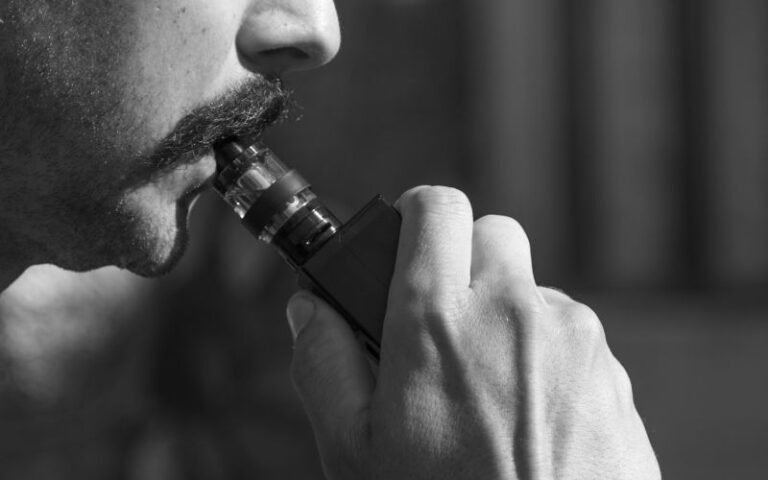
| E-cigarettes are a safe alternative. | Vaping still delivers nicotine and chemicals that affect fetal development. |
| If I quit late in pregnancy, it won’t matter. | Quitting at any stage of pregnancy improves maternal and fetal outcomes. |
Long-Term Effects on Child Development
Children whose mothers smoked during pregnancy often show:
- Learning difficulties in school
- Behavioral issues such as hyperactivity
- Increased risk of addiction later in life
- Higher rates of obesity and metabolic disorders
This is not only a short-term risk but a lifelong concern that can shape a child’s health trajectory.
How to Quit Smoking During Pregnancy
Acknowledging Nicotine Addiction
Nicotine is one of the most addictive substances known. Many women feel guilty about smoking during pregnancy but find it difficult to quit due to withdrawal symptoms. Recognizing this challenge is the first step toward recovery.
Safer Alternatives and Cessation Strategies
- Nicotine Replacement Therapy (NRT): Some healthcare providers recommend NRT in controlled doses when the risks of continued smoking outweigh the risks of nicotine patches or gum.
- Counseling and Support Groups: Behavioral therapy can provide coping strategies for cravings.
- Quit-Smoking Programs: Many hospitals and prenatal care centers run programs tailored for expectant mothers.
- Family Involvement: Partners and relatives should quit alongside the mother to reduce secondhand exposure and provide moral support.
Practical Tips for Quitting
- Remove all cigarettes, lighters, and ashtrays from the home.
- Replace smoking rituals with healthier alternatives like deep breathing or chewing sugar-free gum.
- Track progress and reward yourself for smoke-free milestones.
- Seek encouragement from prenatal classes and healthcare professionals.
Public Health Campaigns and Global Perspectives
Organizations like the CDC, WHO, and NHS actively run campaigns to reduce smoking rates among expectant mothers. Strategies include:
- Mass media awareness campaigns
- Community-based education
- Prenatal care programs with smoking cessation support
- Regulations on tobacco advertising
Countries that implement these measures show lower rates of maternal smoking and healthier pregnancy outcomes.

Emotional and Social Dimensions of Quitting
Quitting smoking during pregnancy is not only about health, it’s also about identity, family expectations, and social pressures. Some women feel judged or stigmatized, which may discourage them from seeking help.
Healthcare providers emphasize compassionate, non-judgmental support to encourage pregnant women to open up about their struggles. Addressing both the physical and emotional sides of nicotine dependence ensures better long-term results.
Final Thought
The evidence is clear: pregnancy and smoking cigarettes do not mix. The risks range from miscarriage and premature birth to developmental challenges and long-term health consequences for children. Every cigarette introduces toxins that affect both the mother and the unborn child, while secondhand smoke creates additional dangers.
Quitting is not easy, but it is possible with the right support, strategies, and medical guidance. Whether through counseling, nicotine replacement therapy, or family encouragement, expectant mothers can take steps toward a healthier pregnancy. The choice to quit not only benefits the baby but also improves the mother’s own well-being, creating a foundation for a healthier family future.
FAQs
What happens if I smoke while pregnant?
Smoking during pregnancy increases the risk of miscarriage, premature birth, low birth weight, and birth defects.
Is one cigarette safe during pregnancy?
No amount of cigarette smoking is considered safe in pregnancy. Even one cigarette can affect fetal oxygen supply.
Can secondhand smoke harm my baby?
Yes, passive smoking exposes the mother and fetus to harmful chemicals, increasing the risk of SIDS and developmental issues.
How can I quit smoking when pregnant?
Strategies include counseling, nicotine replacement therapy under supervision, support groups, and lifestyle adjustments.
Does quitting late in pregnancy still help?
Yes, quitting at any stage reduces risks and improves health outcomes for both the baby and mother.
Citation
Centers for Disease Control and Prevention. (2025, May 15). Smoking during pregnancy. U.S. Department of Health & Human Services. https://www.cdc.gov/tobacco/campaign/tips/diseases/pregnancy.html